

Doing nothing.
Long-term investing is usually framed as a test of intelligence.
It isn’t.
It is a test of temperament under boredom.
The hardest part of long-term investing is not:
Finding good businesses
Understanding economics
Surviving drawdowns
It is sitting still while nothing happens, and resisting the urge to act.
Why Inactivity Feels Like Failure
Most investors are conditioned to equate activity with competence.
In markets, this becomes dangerous when:
Prices drift sideways
News is repetitive
Portfolios look unchanged
It feels like something must be done.
But compounding does not announce itself.
It works on timescales that do not align with human attention.
The mismatch between business progress and market feedback is where most investors break.
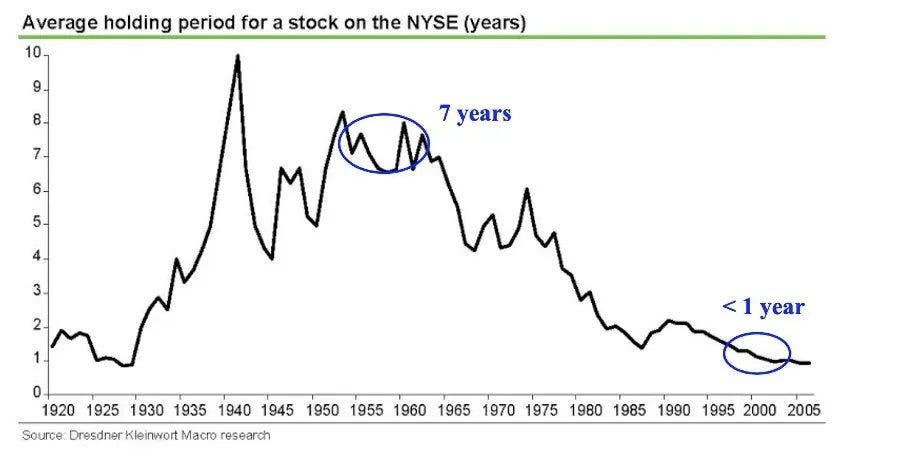
This need to ‘act’ shows up in the data, as our portfolios become more accessible to us with new technologies:
Compounding Is a Slow, Uneventful Process
A great business compounds through:
Incremental price increases
Modest reinvestment
Operational discipline
Capital allocation over time
None of this is exciting quarter to quarter.
The stock, meanwhile, may:
Go nowhere for years
Underperform flashier peers
Test your conviction without breaking the thesis
This is not a bug, but a feature of compounding. If you want an edge, think longer term than most investors.
Why Doing Nothing Is So Difficult
Inactivity creates three pressures:
1. Social Pressure
Other investors are always doing something.
New ideas. New trades. New narratives. New winners.
Doing nothing feels unsophisticated by comparison, even when it’s correct.
2. Psychological Pressure
The brain wants feedback.
No movement feels like stagnation, even if the underlying value is compounding steadily.
3. Career and Identity Pressure
For professionals, activity signals relevance.
For individuals, it signals engagement and competency.
Inactivity feels like neglect, even when it’s discipline and deliberate.
The Cost of Unnecessary Action
Most long-term underperformance does not come from catastrophic mistakes.
It comes from small, unnecessary actions:
Selling a great business too early
Rotating into something “more exciting”
Reacting to temporary underperformance
Optimizing for short-term validation
Each action feels rational in isolation.
Collectively, they interrupt compounding.
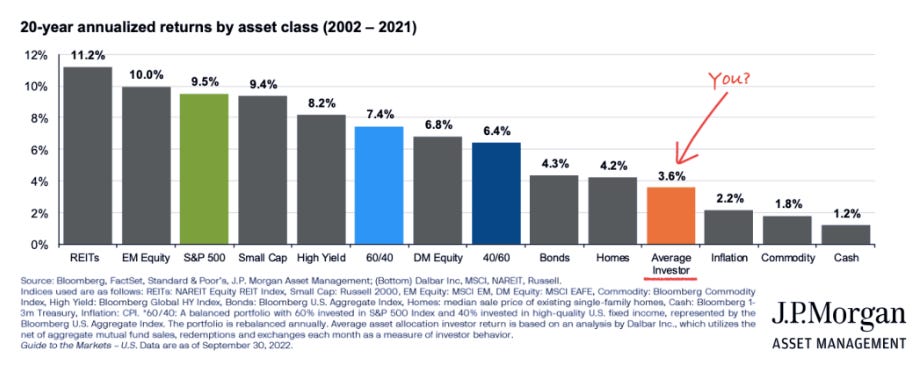
The result? You drift towards the average investor:
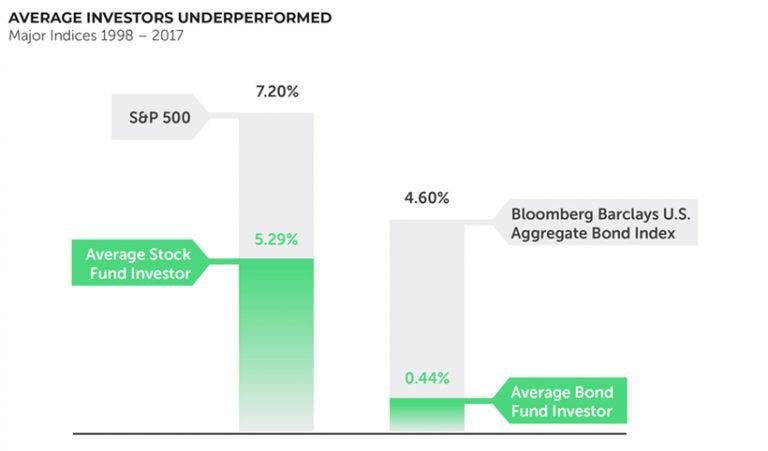
And, before you praise index fund or bond investors, they also underperform the funds they invest in for the same reason:
When Inactivity Is the Correct Action
Doing nothing is an edge when:
The business fundamentals are intact
Reinvestment economics remain attractive
Management is disciplined
The valuation is not extreme
In those conditions, activity adds risk, and not return.
Time is doing the work for you. Just allow it.
The Reframe That Changes Everything
The goal of long-term investing is not to be active.
It is to own the few things that deserve time.
Once that work is done, the highest-value decision is often to get out of the way.
This reframes inactivity from laziness to restraint.
“Time is your friend: Impulse is your enemy”
—John Bogle
Why the Best Investors Look Boring
Great long-term investors:
Trade infrequently
Repeat themselves
Appear inactive for long stretches
Not because they lack ideas, but because they understand opportunity cost.
Every action competes with the alternative:
letting a great business keep compounding.
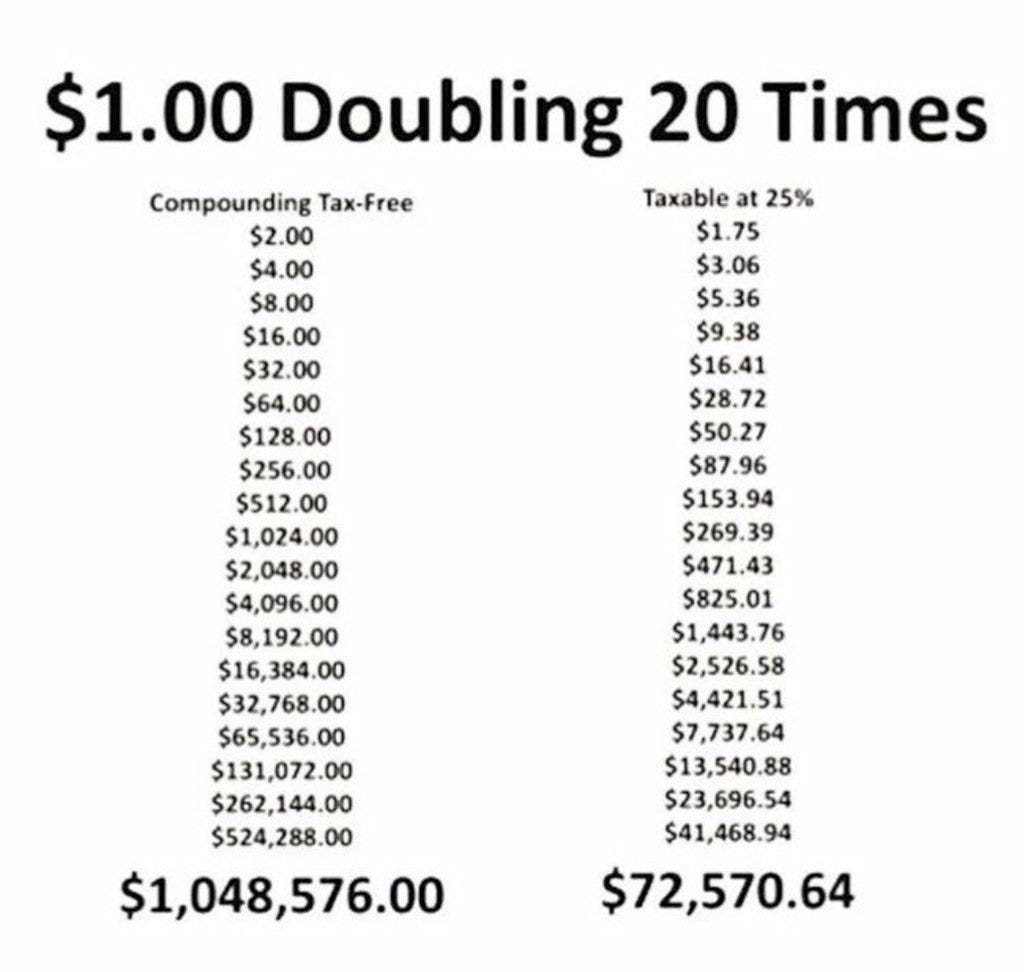
There are also tax advantages to holding a position versus buying a new:
A Practical Test
When you feel the urge to act, ask:
Has something fundamental changed, or am I just uncomfortable with stillness?
If the answer is the latter, doing nothing is likely the correct move.
The Irony
The market rewards:
Patience
Restraint
Endurance
But provides constant incentives to abandon them.
The edge is not seeing more.
It is interfering less.
Remember Charlie Munger’s rule:

Final Thought
Long-term investing is not a game of constant optimization.
It is a game of avoiding self-inflicted wounds while time compounds a small number of good decisions.
Most people can buy a great business.
Very few can sit with it through peaks and valleys, year after year, while nothing happens, headlines change, and boredom sets in.
That is the hardest part.
And for those who can do it, it is also the single best edge an investor can have.
Ready to take the next step? Here’s how I can help you grow your investing journey:
Go Premium — Unlock exclusive content and follow our market-beating Quality Growth portfolio. Learn more here.
Essentials of Quality Growth — Join over 300 investors who have built winning portfolios with this step-by-step guide to identifying top-quality compounders. Get the guide.
Free Valuation Cheat Sheet — Discover a simple, reliable way to value businesses and set your margin of safety. Download now.
Free Guide: How to Identify a Compounder — Learn the key traits of companies worth holding for the long term. Access it here.
Free Guide: How to Analyze Financial Statements — Master reading balance sheets, income statements, and cash flows. Start learning.
Get Featured — Promote yourself to over 24,000 active stock market investors with a 42% open rate. Reach out: investinassets20@gmail.com